Importance of Sewer Cleanout Cover in road safety Infrastructure?
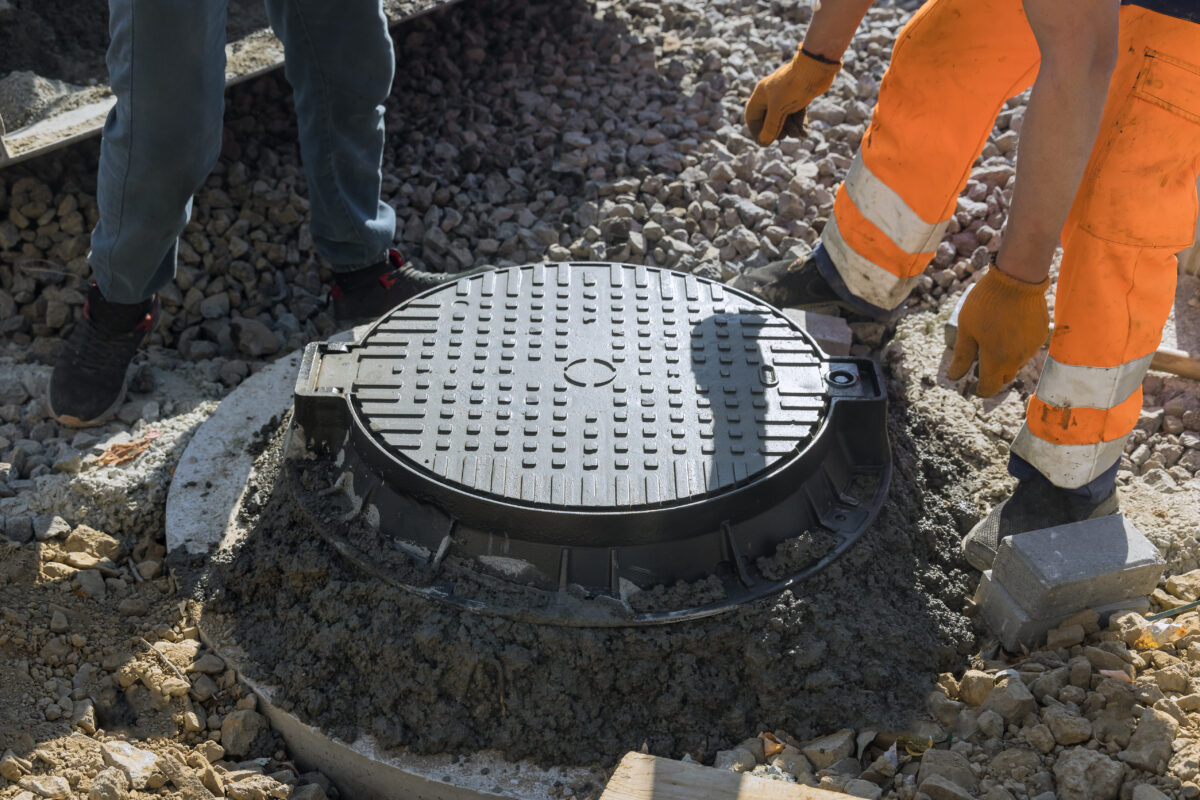
Road safety is a critical aspect of urban infrastructure, and sewer cleanout covers play an essential role in maintaining the structural integrity and functionality of roads. Often overlooked, these components are vital for preventing accidents, ensuring proper drainage, and supporting urban planning efforts. In this article, we will explore the importance of sewer cleanout covers and their impact on road safety infrastructure.
1. What Is a Sewer Cleanout Cover?
A sewer cleanout cover is a protective cap or lid placed over a sewer cleanout pipe, providing access to the sewer system for maintenance and inspections. These covers are typically made of durable materials like cast iron, steel, or high-strength plastic to withstand vehicular and environmental stresses.
Did you know? Properly installed sewer cleanout covers can prevent up to 40% of road damage caused by water seepage.
2. The Role of Sewer Cleanout Covers in Road Safety
2.1 Preventing Accidents
Damaged or missing sewer cleanout covers can create dangerous potholes or obstructions on roads, posing significant risks to vehicles and pedestrians. By ensuring these covers are intact and secure, cities can reduce accident rates and improve overall road safety.
2.2 Enhancing Drainage Efficiency
Sewer cleanout covers contribute to efficient water drainage by preventing debris, leaves, and other materials from entering the sewer system. Proper drainage reduces the likelihood of water pooling on roads, which can lead to hydroplaning and other hazards.
2.3 Supporting Heavy Traffic Loads
In areas with heavy traffic, sewer cleanout covers are designed to withstand significant loads. High-quality covers ensure that vehicles, including trucks and buses, can travel safely without damaging the infrastructure beneath the road surface.
3. Materials Used in Sewer Cleanout Covers
The choice of material for sewer cleanout covers greatly influences their durability and performance. Common materials include:
- Cast Iron: Highly durable and resistant to heavy loads, ideal for urban roads.
- Steel: Lightweight and corrosion-resistant, suitable for high-moisture areas.
- Composite Materials: A modern alternative offering strength and reduced weight.
4. Challenges in Maintaining Sewer Cleanout Covers
Maintenance of sewer cleanout covers is critical for long-term road safety. Challenges include:
- Theft and Vandalism: Metal covers are often stolen for their scrap value, leaving roads unsafe.
- Wear and Tear: Over time, covers may corrode or crack due to environmental factors.
- Improper Installation: Poorly fitted covers can lead to misalignment, causing road damage.
5. Solutions to Improve Sewer Cleanout Cover Efficiency
To address these challenges, urban planners and engineers can implement the following solutions:
- Use of Locking Mechanisms: Prevent theft by using tamper-proof covers.
- Regular Inspections: Conduct routine checks to identify and replace damaged covers.
- Public Awareness: Educate communities about the importance of sewer cleanout covers in road safety.
6. The Future of Sewer Cleanout Covers in Smart Cities
With the advent of smart cities, sewer cleanout covers are becoming more advanced. Innovations include:
- IoT-Enabled Covers: Sensors embedded in covers can monitor traffic loads and detect damages in real time.
- Eco-Friendly Materials: Sustainable materials are being developed to reduce the environmental impact of manufacturing and disposal.
Conclusion
Sewer cleanout covers may seem like a small component of road infrastructure, but their impact on road safety and functionality is immense. From preventing accidents to supporting urban development, these covers play a vital role in ensuring the efficiency and longevity of road systems. By prioritizing high-quality materials, regular maintenance, and innovative solutions, cities can enhance their road safety infrastructure and create safer environments for all.